Nursing Shortage in Nepal: Reasons, Impacts, and Resolution
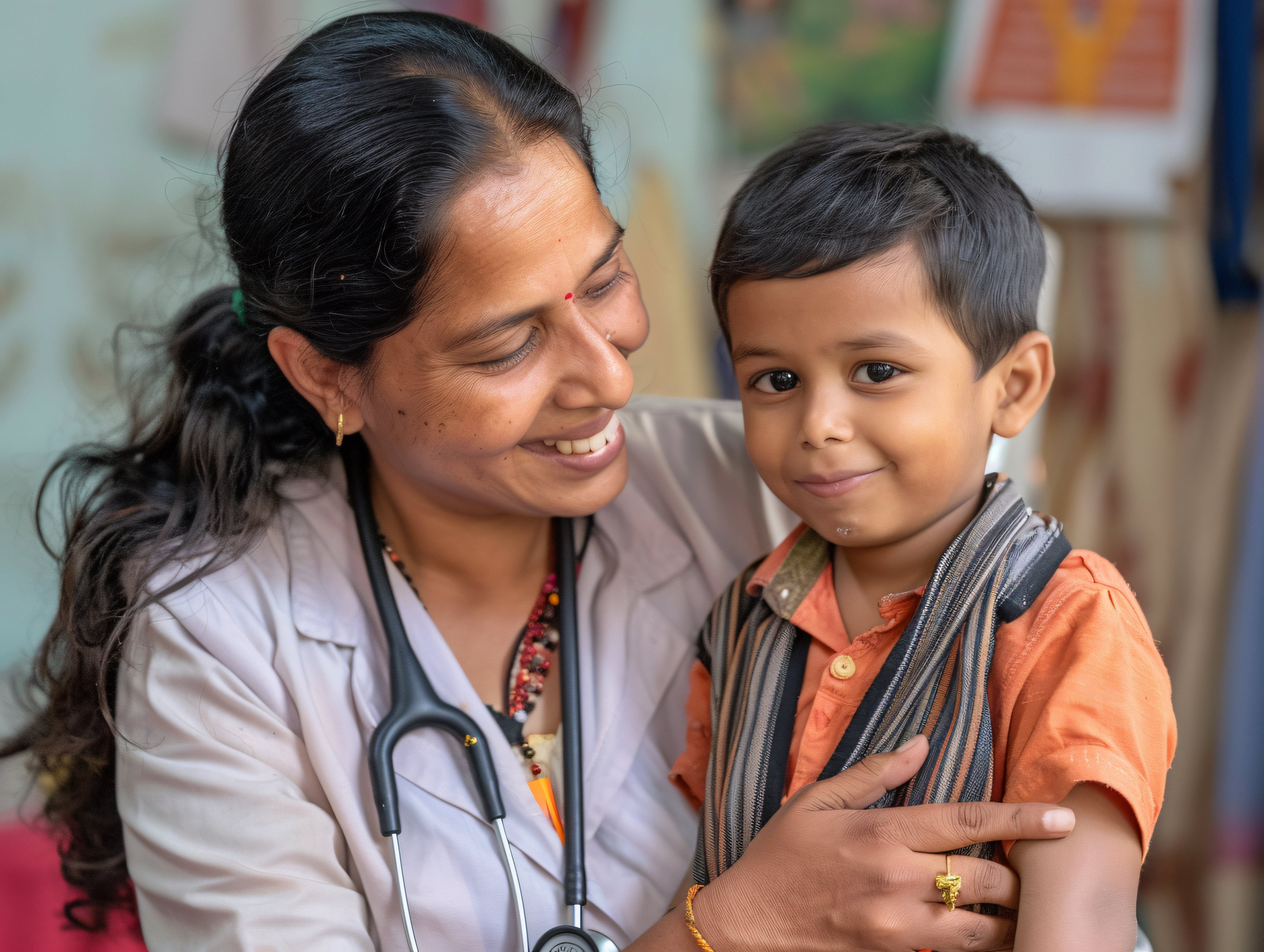
Nepal, a nation with centuries of humane healthcare, now faces its first-ever crisis in the health sector—a growing shortage of nurses. While this has been an ongoing issue, it has grown more urgent with the influence of increased population needs, outward migration of health workers, and intrinsic issues within workforce planning.
Nepal, a nation with centuries of humane healthcare, now faces its first-ever crisis in the health sector—a growing shortage of nurses. While this has been an ongoing issue, it has grown more urgent with the influence of increased population needs, outward migration of health workers, and intrinsic issues within workforce planning.
In this blog, we’ll explore the root causes, impacts, and possible solutions to the nursing shortage crisis in Nepal.
Understanding the Nursing Shortage in Nepal
According to the Nepal Nursing Council, the country has over 70,000 registered nurses, but a significant portion are either working abroad, unemployed, or underemployed in the private sector with poor job security.
Key Causes:
International Migration
Hundreds of qualified nurses migrate annually to work in Australia, UK, USA, and increasingly Europe (e.g., Denmark, Germany) for better pay, working conditions, and professional growth.
Low Pay & Job Insecurity
Few and competitive opportunities exist within government institutions, while low salaries, delayed payment, and little benefits are offered in private institutions.
Urban-Rural Imbalance
Nurses are predominantly found working in urban areas like Kathmandu, leaving rural and mountain districts grossly undermanned.
Inadequate Workforce Planning
Nepal has been graduating more nurses than there are quality positions, and hence there is unemployment in the nation and brain drain abroad.
Poor Working Conditions
Underworked nurses are forced to work for long hours, under harassment, and lacking access to mental health care or career development.
Effects of the Shortage
Burnt-out and high-turnover nurses.
Poor patient outcomes with poor nurse-to-patient ratios.
Increased maternal and child mortality rates in rural areas.
Reduced capacity to respond to emergencies, especially in cases of natural disasters and pandemics.
Slowed down the progress in the realization of Nepal’s Universal Health Coverage (UHC) goals.
Action to Mitigate the Crisis\
- Retention through Fair Remuneration and Incentives
Increase the salary of nurses working in the government and private sectors.
Ensure timely payments and implement insurance, pension, and incentives.
\ - Rural Posting Incentives
Provide hardship allowances, housing, and career advancement points for rural/remote posting nurses.
3. Reinforce Regulations
Enforce minimum wage standards in private hospitals.
Nepal Nursing Council and MoHP must be more proactively tracking recruitment and retention.
\ - Bilateral Migration Agreements
Sign on to ethical migration pathways with countries like Germany, UK, Denmark to protect Nepali nurses’ rights without causing mass outflow.
\ - Upskilling and Career Advancement
Offer specialist training, continuing professional development (CPD), and scholarships for advanced nursing courses (BNS, MSc Nursing).
\ - Improve Workplace Conditions
Provide safe working environments, mental health services, and act against harassment or discrimination.
7. Reforms of the Health System
Integrate nurses into policy-making and leadership roles.
Improve primary healthcare systems within which nurses can have a central role in preventive medicine and management of disease for chronic illnesses.
The Way Forward
The nursing shortage is not just a personnel problem—it’s a crisis for the health of the nation. Nepal must act fast to value, protect, and invest in its nurses. With the right policy, supported by political will and funding, the country can not only keep its talented nurses but build a more robust, fair healthcare system.